
Building a Modern Industrial Monitoring Architecture
A resilient, cyber-secure approach to connecting plant-floor systems, multi-protocol fieldbuses, and on-premise supervisory intelligence.
Youssef Mansour
Platform Architect
Key Operational Telemetry & Impact
< 10ms
Cycle Time
Deterministic fieldbus scan rate over industrial Ethernet backplanes
IEC 62443
Cybersecurity Standard
Strict Network Zones and Conduits separation between OT and IT layers
100% Local
Air-Gap Resilience
Zero mandatory external cloud connections or remote internet dependencies
5+ Standards
Protocol Support
Native Modbus TCP/RTU, Siemens S7, OPC-UA, Ethernet/IP, and MQTT
1. The Evolution Beyond the Purdue Model
For decades, the Purdue Enterprise Reference Architecture (ISA-95) dictated strict hierarchical data flow from Level 0 (physical sensors) through Level 1 (PLCs), Level 2 (SCADA), Level 3 (MES), up to Level 4 (ERP). While this model provided clear functional separation, it created rigid communication bottlenecks where modern analytics tools could not easily access high-speed sensor streams.
A modern industrial monitoring architecture adopts an edge-native approach. Instead of funneling every data request through sequential legacy software layers, an intelligent edge collector interfaces directly with field devices, normalizing disparate industrial protocols and publishing clean telemetry to a Unified Namespace (UNS).
A Unified Namespace decouples producers of industrial telemetry from consumers: any authorized dashboard, predictive algorithm, or maintenance system can subscribe to live machine states without overloading PLC communication processors.
2. Edge Collector Hardware & Network Topology
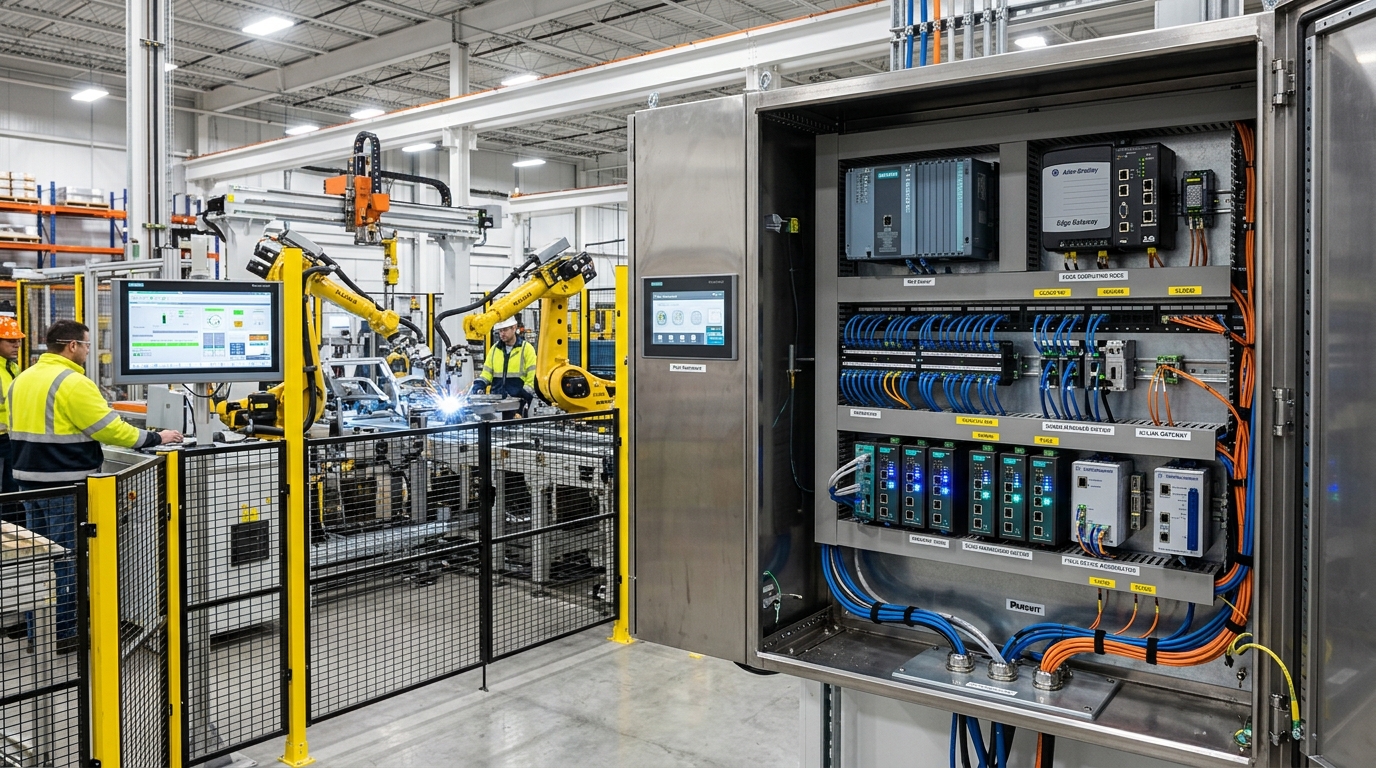
Reliable industrial data begins with ruggedized hardware. Commercial desktop computers or consumer-grade mini PCs quickly fail in industrial environments characterized by conductive dust, ambient heat, vibration, and electromagnetic interference (EMI).
RockLyzor deploys on fanless, DIN-rail mounted industrial PCs equipped with wide-voltage DC inputs (9-36V DC), dual isolated Ethernet network interfaces (NICs), and solid-state industrial storage. Dual physical NICs ensure absolute physical isolation: Port 1 connects exclusively to the isolated machine OT network (192.168.x.x), while Port 2 interfaces with the corporate supervisory plant network.
- Dual NIC physical segregation prevents malware from bridging from office LANs into critical machine controls.
- Solid-state design with wide operating temperature ranges (-20°C to +70°C).
- Local edge buffering guarantees zero telemetry loss during transient network dropouts.
3. Protocol Normalization: Speaking Every Industrial Language
A major obstacle in factory monitoring is protocol fragmentation: Siemens PLCs speak ISO-on-TCP (S7comm), Rockwell controllers speak EtherNet/IP CIP, Schneider equipment speaks Modbus TCP, and modern smart sensors utilize IO-Link or OPC-UA.
RockLyzor's driver engine handles protocol normalization in memory. Raw register offsets (e.g. Modbus 40001, Siemens DB10.DBD4, Rockwell tag `Line1_Speed`) are mapped into human-readable semantic payloads: `PlantA/Packaging/Line1/ConveyorSpeed` with engineering units, scale factors, and data types automatically applied.
4. Cybersecurity: IEC 62443 Zones & Conduits
Industrial operational technology (OT) requires a fundamentally different security philosophy than commercial IT: where IT prioritizes Confidentiality, OT prioritizes Availability and Safety. An antivirus scan that momentarily freezes a communication socket can trigger a high-speed packaging collision.
RockLyzor adheres to the ISA/IEC 62443 cybersecurity standard, employing strict Zones and Conduits. Communication between supervisory tiers is encrypted via TLS 1.3, administrative authentication integrates with enterprise Active Directory / LDAP, and access permissions are strictly segregated by role.
RockLyzor operates without opening any inbound ports on external factory firewalls. Plant data remains 100% contained within the enterprise demilitarized zone (IDMZ).
5. On-Premise Resilience vs Cloud Dependency
While cloud software has revolutionized office workflows, manufacturing facilities require continuous local execution. If a construction crew cuts an external fiber line outside the factory gate, production lines must continue running, recording telemetry, and annunciating critical alarms without interruption.
By deploying all SCADA services, time-series historians, and synoptic visualization servers on-premise, RockLyzor provides true mission-critical resilience. Plant operators maintain total autonomy, uncompromising data privacy, and zero latency regardless of external internet availability.
ENGINEERING FAQ
Frequently Asked Engineering Questions
Can RockLyzor run in a completely air-gapped facility?
Yes. RockLyzor is fully self-contained and requires no internet access, external license servers, or cloud dependencies for execution.
What industrial protocols are natively supported?
Modbus TCP, Modbus RTU (RS-485), Siemens S7 (S7-300, S7-1200, S7-1500), OPC-UA, EtherNet/IP, BACnet, and MQTT Sparkplug B.
How does the platform handle legacy serial equipment?
Serial RS-485 / RS-232 devices can connect directly to edge collector COM ports or through standard industrial Ethernet-to-serial terminal servers.
CONTINUE EXPLORING
Related Industrial Insights
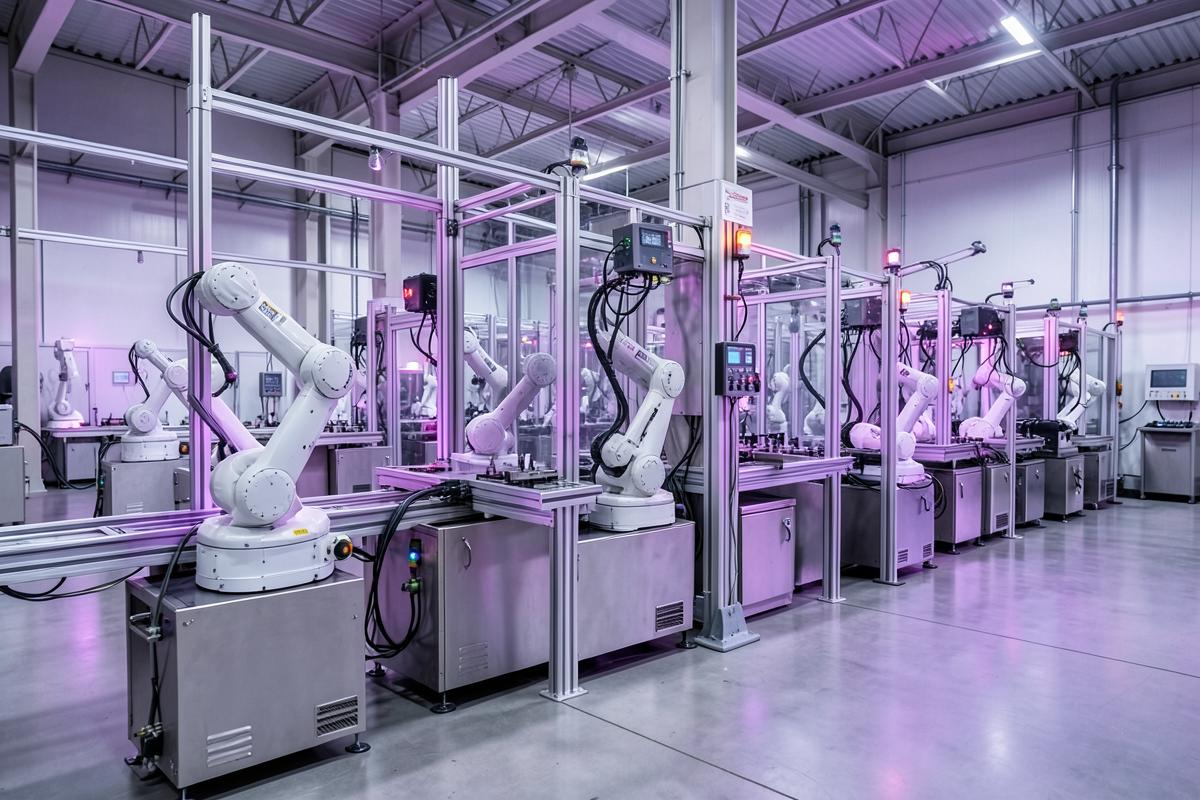
Why Real-Time Industrial Monitoring Matters
How immediate visibility helps teams reduce response time, eliminate unrecorded micro-stoppages, and keep modern factory lines moving.
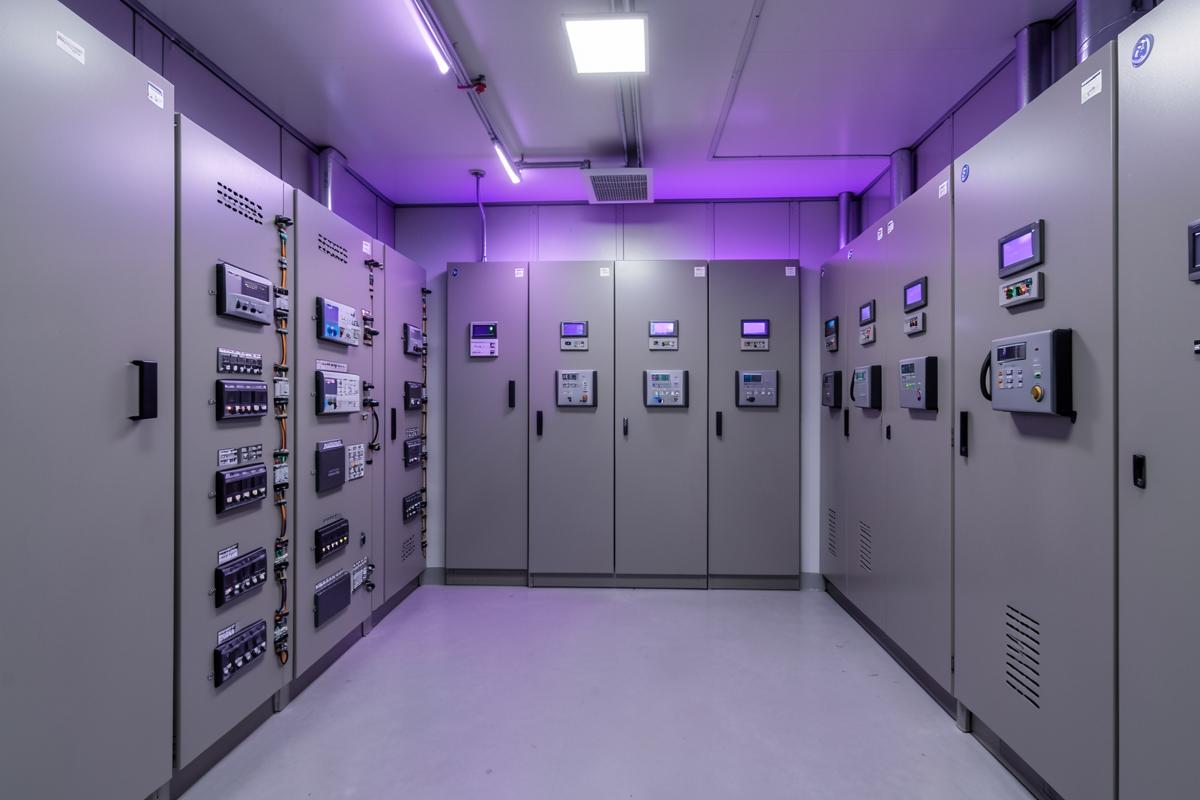
How Industrial Energy Monitoring Reduces Hidden Losses
Find consumption patterns, demand peaks, and utility penalties that traditional monthly utility invoices never reveal.
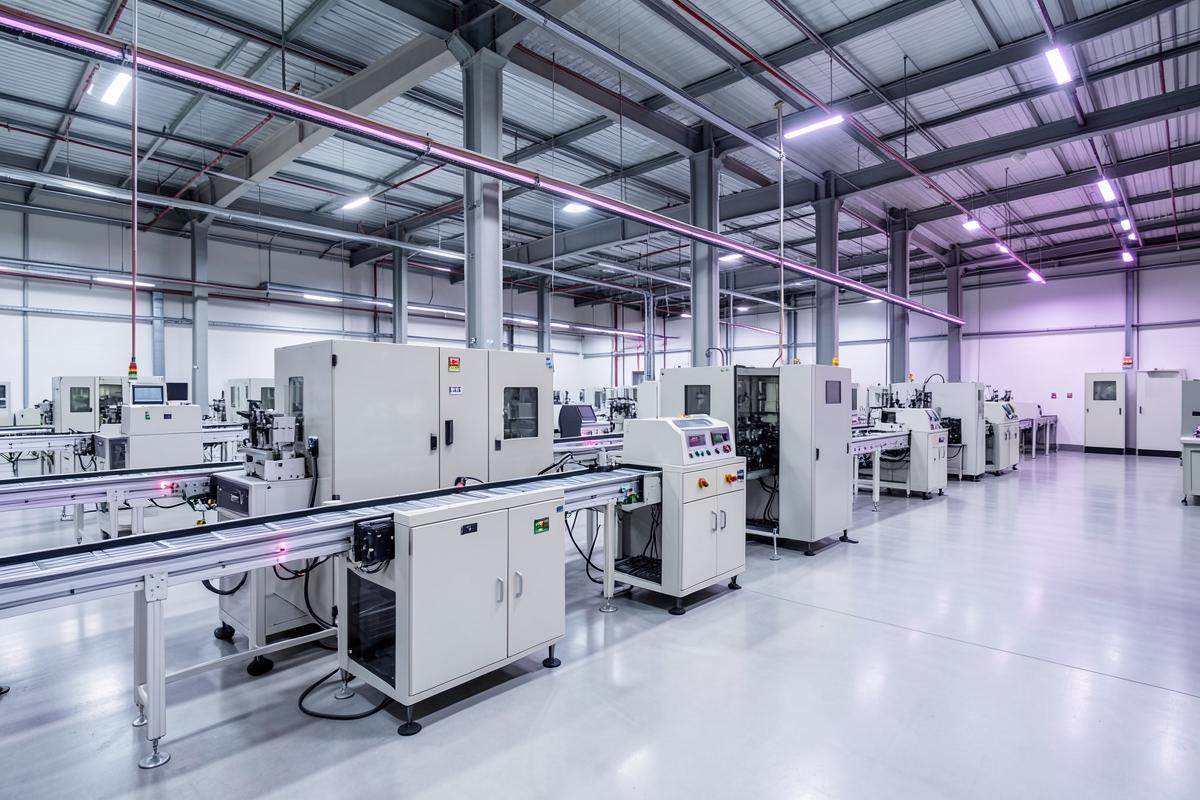
SCADA vs Traditional Industrial Monitoring
A practical technical comparison between centralized supervisory intelligence and isolated machine-level operator screens.
Start with your operation
Ready to See Your Factory Differently?
Discover how RockLyzor can centralize your industrial data and give your team real-time operational visibility.